
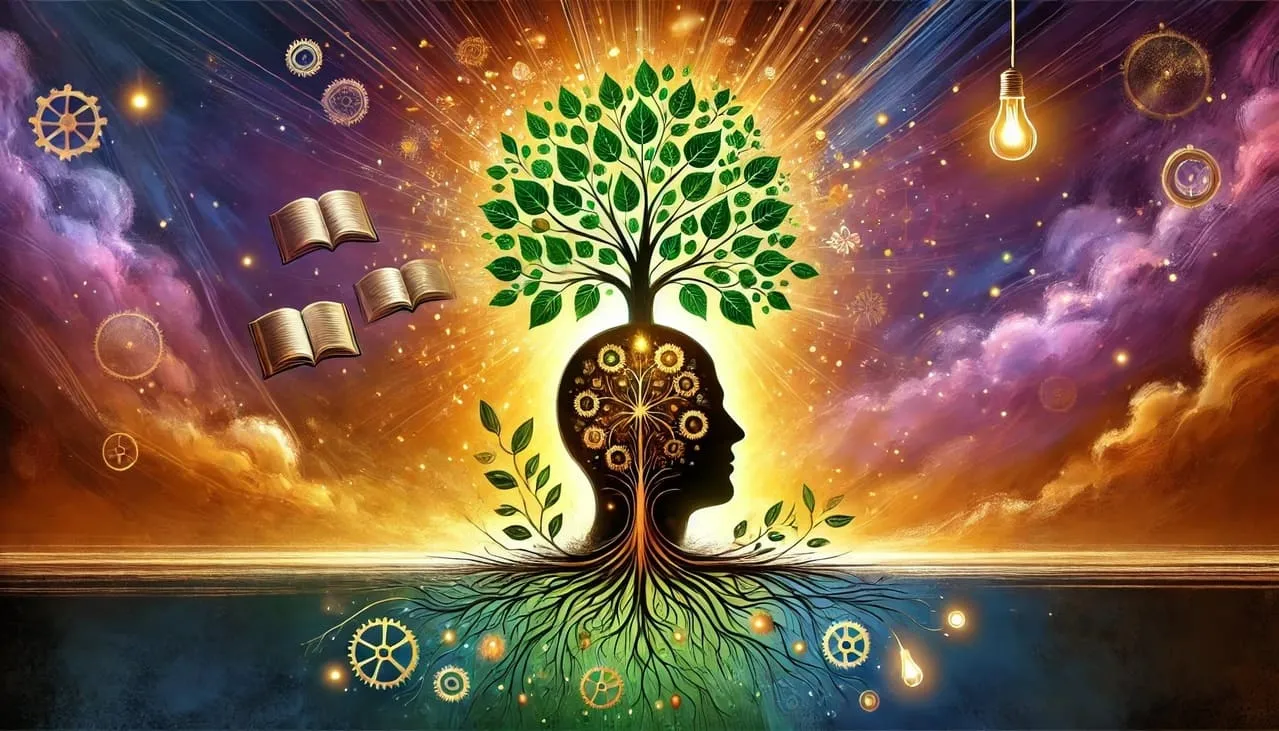
In this article we explore the growth mindset and how your brain develops through learning and experiences. We go on to compare the growth mindset with the fixed mindset, understand the key components, barriers and how to develop a growth mindset in personal and professional settings
“The most powerful words in the universe are the words you say to yourself.”
Fixed vs Growth Mindset
A table highlighting the differences between the fixed mindset with the growth mindset:
| Fixed Mindset – Abilities are static | Growth Mindset – Abilities can be developed |
| – Ignores negative feedback – Avoids challenges – Views effort as not necessary – Feels threatened by others’ success – Gives up easily when faced with obstacles | – Learns from criticism – Embraces challenges as opportunities – Sees effort as the path to mastery – Finds inspiration in others’ success – Persists in the face of obstacles |
Brain Plasticity
The brain is complex and dynamic, we still dont know how the brain fully works. We do know that every challenge and experience creates new neural connections which essentially rewires the brain. Because of this it means:
- Intelligence is not predetermined
- Skills can be developed through hard work and dedication
- Your brain physically changes with learning
- Challenges are signs of growth, not weakness
The Growth Mindset
In this section we will explore key components of the growth mindset.
Embrace Challenges & Reframe Failure
Part of the growth mindet is how to respond to challenges and how to view failure. Challenges are embraced and failures are considered valuable opportunities to learn from mistakes. Failure is never the final destination and resilience is built through learning and changing your approach to challenges along the way. Those who adopt a growth mindset understand that discomfort is a sign of growth.
Cultivate a Learning Mindset
When adopting a growth mindset it is important to focus on the journey and not on the outcome. When you focus on the journey you celebrate your progress and achievements without getting bogged down by focusing solely on the outcomes. As part of this journey of discovery you adopt a curiosity mindset by seeking understanding through asking questions just as a child seeks answers when they ask questions about their world.
How to Develop a Growth Mindset
1. Language Transformation
- Replace “I can’t” with “I can’t yet”
- Use positive language
- Acknowledge effort over innate talent
2. Learning Techniques
- Set focused goals
- Seek constructive feedback
- Experiment with new approaches
3. Mindset Exercises
- Daily positive affirmations
- Growth and improvement meditation
- Regular self-reflection
Overcoming Barriers
Dealing with Criticism
- View criticism as valuable feedback
- Focus on improvement opportunities
- Ask clarifying questions
Managing Perfection
- Perfection is impossible
- Celebrate progress
- Break large goals into smaller steps
Applying the Growth Mindset in your Life
Your Career
- Seek challenging assignments for growth opportunities
- Develop your skillsets
- Network with professionals
Your Personal Relationships
- Communicate with openness
- Show empathy
- Support others’ growth
Your Health and Wellness
- View fitness as a skill to develop
- Experiment with different exercises
- Understand the importance of good nutrition
Final Thoughts
The growth mindset offers profound benefits by fundamentally transforming how you approach life’s challenges and opportunities. It enables you to view failures as valuable learning experiences rather than permanent setbacks, increases your resilience in facing obstacles, and helps you maintain motivation during difficult times. This mindset enhances your capacity for learning by embracing challenges as opportunities for growth, leading to greater achievement and skill development. Most importantly, it liberates you from the constraints of fixed thinking, allowing you to reach your full potential by believing in your ability to develop and improve through effort and dedication.
Thank you for taking the time to read this article. If you enjoyed reading it reach out on the contact page and don’t forget to check out some of my other articles!